
Support / Guides / 5 Questions Before Any RO Quotation (Myanmar Homes)
Quote without questions is a sticker lottery.
5 Questions Before Any RO Quotation (Myanmar Homes)
For: Myanmar homes preparing a serious RO quote request
A quotation without site questions is a sticker lottery.
It may look professional — a clean price list, a nice product photo, a fast reply. It still guesses your morning.
These five questions force a claim-safe, local conversation about your actual home — on Viber or at the Insein showroom — before any number gets attached to your order.

Why a brief beats a blank price chat
A brief also protects the buyer from a second, quieter risk: agreeing to a class or price out of politeness, simply because a seller answered warmly and quickly. A written brief slows the pace just enough for the buyer to compare answers side by side instead of being swept along by whichever chat felt friendliest first.
Households in Myanmar are deciding inside a real WASH gap: JMP-linked estimates put safely managed drinking water near 60% nationally in 2024 (SDG 6 Data). That is part of why a home RO purchase feels high-stakes even for a "simple kitchen appliance." High stakes deserve a brief — peak hour, space, pressure, support — not only a Facebook price screenshot copied from a group chat.
The four-quote chaos most buyers go through first
A common pattern: someone posts "how much for RO machine" in a Facebook buy-and-sell group and receives four replies within the hour. One seller quotes a small under-sink unit. Another quotes a much larger class "for safety." A third answers only with a price, no product name at all. A fourth asks nothing about the household and simply attaches a catalogue photo copied from somewhere else. All four numbers are different. None of the four sellers asked when the water actually runs short, what else shares the same purified line, or where the unit would even sit.
The buyer is left comparing four prices for what are, in practice, four different and unverified decisions — with no way to know which number, if any, actually matches their kitchen. This is the sticker lottery in its most literal form: whoever answers fastest and cheapest wins the sale, and the household inherits whatever size that seller happened to have in stock that week, not whatever size the household actually needed.
What a blind quote costs later
Skipping the site questions rarely fails at the moment of purchase. It fails weeks or months later, in ways that are harder to trace back to the original blank chat:
- The wrong class arrives, and the household spends the next year explaining a "weak machine" that was never asked the right question
- Install day reveals a space or drain problem nobody mentioned during the quick price chat
- A second seller has to be paid just to diagnose what the first one should have asked about upfront
- The buyer starts to distrust every future quote, even honest ones, because the first experience taught the wrong lesson
A five-minute brief before the sale is far cheaper than any of these outcomes discovered afterward.
What the same five questions look like from the seller's side
A seller who actually reads your five answers can quote with confidence instead of guesswork: recommending a class that matches your peak hour, flagging a pressure concern before installation day instead of after it, and setting expectations about parts and support before any money changes hands. That seller is not doing you a special favour — they are simply doing the job properly, using information you already had and were never asked for before.
Compare that to a seller who quotes from a single line of text. They are not being dishonest, necessarily. They are working with less information than a good quote requires, and the gap between "less information" and "a wrong machine" is exactly the five questions on this page.
Write the answers down before you open Facebook
The best time to answer these five questions is before contacting any seller at all, not during the chat itself. A household that already knows its peak hour, its space constraints, and its support expectations walks into every conversation from a position of clarity, rather than improvising answers in real time while a seller waits for a reply.
1) When does purified water feel short?

This is the single most revealing question on the list, and the one most often skipped in a rushed price chat.
Clock time beats vibes. School mornings, dinner prep, guest evenings — name the actual window instead of saying "sometimes" — morning rush.
2) What is happening in that hour?
Naming every task sharing the line — not just drinking — is what separates a useful brief from a polite guess.
Tea, rice wash, bottles, guests — hidden load. If a buyer only counts "drinking," the answer under-describes the house, and any quote built on that answer inherits the same blind spot.
Seasonal overlays worth mentioning too: hot season · rainy taste/smell.
A written answer here also protects against a common awkward moment: agreeing verbally to a machine over chat, then discovering during a live call that the real peak hour is different from what was typed in a rush. Slowing down for one clear written answer avoids that entire back-and-forth.
3) Where can the machine and tank live?
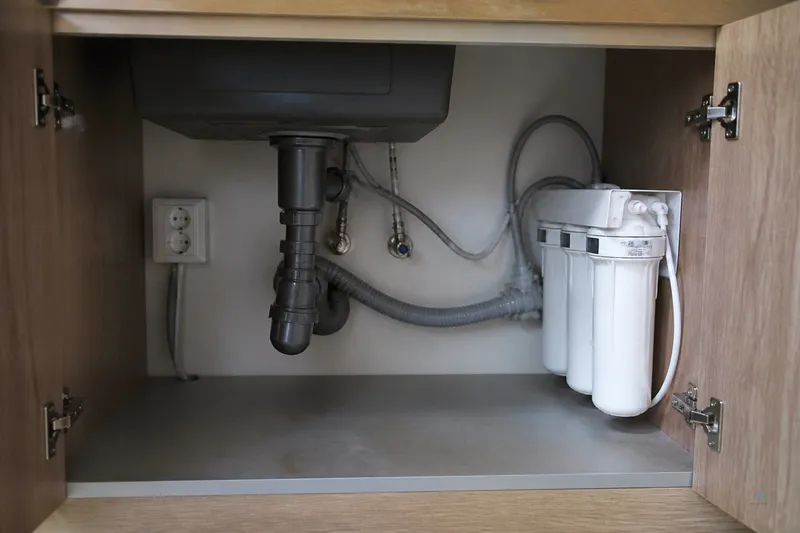
Space, drain, power — install checklist · storage tank. Without an honest answer here, class talk is theatre: a perfect capacity number means nothing in a cabinet that cannot hold the tank.
Guessing this answer to sound confident rarely helps — a seller working from a wrong assumption about your cooking load will size the wrong class just as easily as one working from no information at all.
4) What do you know about pressure and source?

Weak flow changes how any class actually feels in daily use — low pressure. A TDS number is optional context, not a full verdict on its own — TDS before RO. If the answer is genuinely unknown, say so honestly rather than guessing a number to sound informed.
5) Who supports you after you pay?
This question is easy to skip because it feels awkward to ask before you have even agreed to buy anything. It is exactly the right moment to ask it — before, not after, a decision has been made that is hard to undo.
Parts, install follow-up, a reachable chat — local support · spare parts · showroom vs Facebook-only. A quote that never mentions this question is a quote for the sale, not for the years the machine will actually sit under your sink.
How these five change a 400GPD-class talk
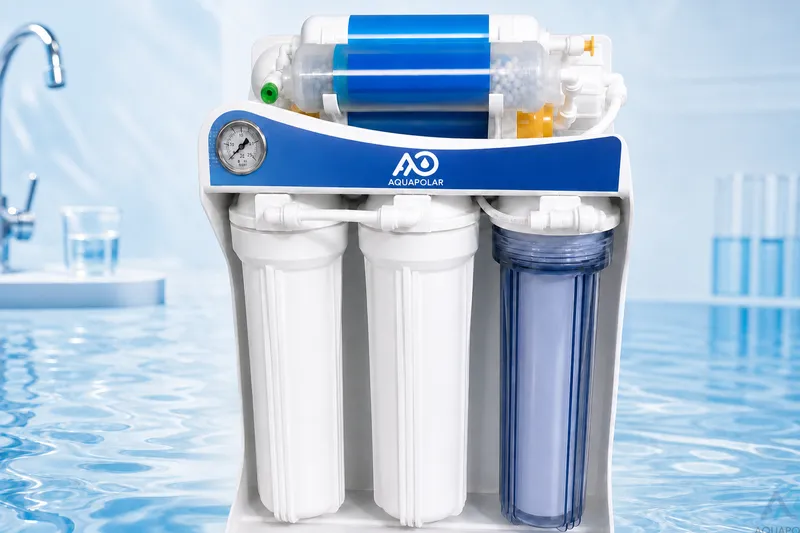
Five honest answers turn a class name from a guess into a genuine recommendation.
RO Machine 400GPD is a capacity class name, not a daily gallon promise. It enters a serious quote conversation when your five answers point that way — not when a chat only says "send 400 price" without a single follow-up question about your kitchen.
Fit: who 400GPD-class fits · what 400GPD means · RO_400GPD.
Copy-paste block for Viber
- Peak time:
- Water jobs in that hour:
- Space notes / photos:
- Pressure / source notes:
- Support expectation:
Township:
Viber 09668896889 · Get Quote · Showroom prep
Keep a copy of your own answers after you send them. If a machine ever needs service later, the same brief helps a technician understand your household without starting the conversation from zero a second time.
Why five questions, not fifty
This list is short on purpose. A quotation brief that demands twenty answers before anyone will even discuss a price becomes its own barrier, and most households will simply give up and go back to guessing. Five focused questions — peak time, water jobs, space, pressure, support — cover the decisions that actually change which class and which install plan makes sense, without turning a simple purchase into a research project.
If a seller wants more detail later, that is normal and expected once the conversation is already underway. The five questions exist to start a real conversation, not to replace one.
What a good seller does with your answers
A good seller asks follow-up questions instead of only replying faster. They separate the capacity class from any unverified output claim, talk through install and parts without inventing a magic blog warranty, and offer showroom or ready-stock confirmation per enquiry rather than a permanent number — ready stock.
If a seller ignores your five answers and only re-sends a price, that silence is itself useful information — buying by price only.
Send the same brief to more than one seller
Sending identical answers to two or three sellers is not disloyal — it is the fastest way to see which one actually engages with your household instead of your wallet. The seller who asks a genuine follow-up question about your peak hour, rather than simply matching or undercutting a price, is usually the one worth continuing the conversation with.
Related
Ready to quote with a brief — not a blank chat?

Answer the five questions once, in writing. Then ask for class fit on a Yangon-reachable path — a real conversation, not a fourth mismatched screenshot.
Five short answers today are cheaper than one wrong machine for the next three years.
Message on Viber, request a quote, or visit the showroom path.
Related products
More guides: Support guides